Nancy Pelosi dumps $1M of Disney as stock sinks
Former House Speaker Nancy Pelosi has dumped a significant chunk of Disney stock, offloading between $1 million and $5 million worth of shares, according to recent congressional filings.
The timing is notable.
- Disney (DIS) has been stuck in neutral while the broader market has surged ahead, falling from around $200 in early 2021 to approximately $110 as of late January 2026.
- That's a roughly 45% decline while the S&P 500 posted strong gains driven largely by tech and AI stocks.
- The entertainment giant's shares hit yearly lows around $80 in 2023 before partially recovering.
Today, Disney has a market cap of $198 billion and faces multiple near-term headwinds.
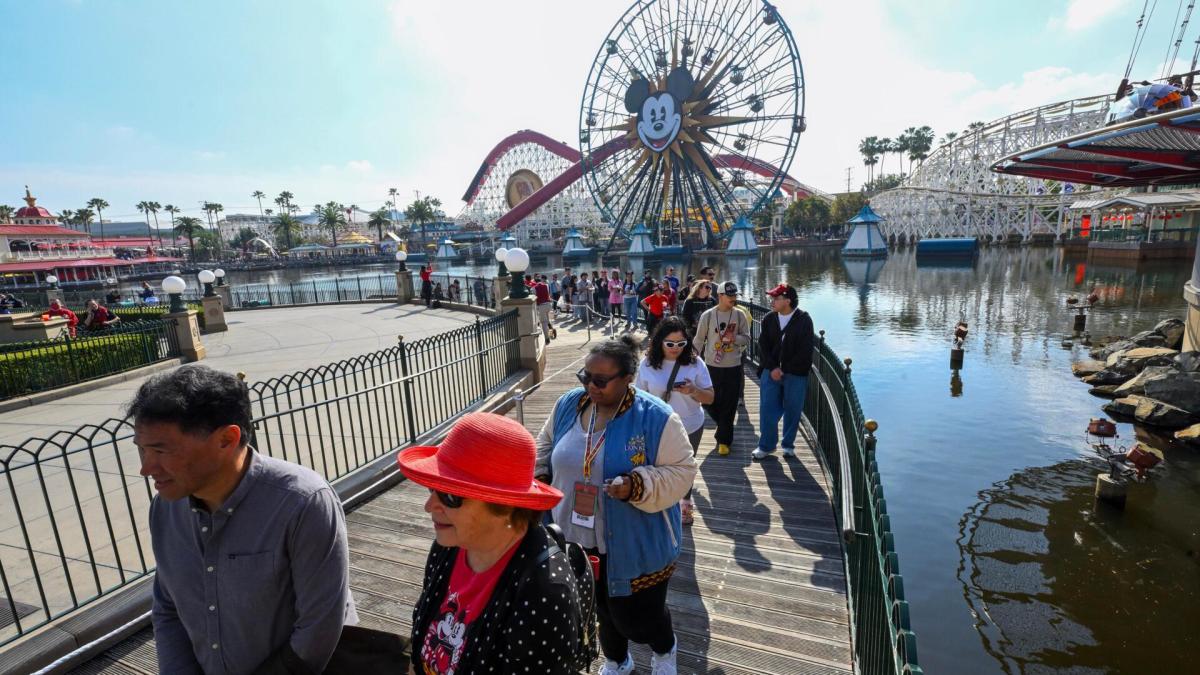
Getty Images Media News Group Orange County
Linear TV vs. online streaming
Disney's traditional TV networks are bleeding out, and the numbers tell a brutal story.
- Revenue for the company's entertainment unit fell 6% in the most recent quarter to $10.21 billion, dragged down by linear TV networks and theatrical releases.
- The TV networks division, which includes ESPN, saw advertising revenue tank partly due to a $40 million hit from lower political advertising compared to the prior year.
- Operating income for Disney's linear networks dropped 21% to $391 million in the fourth quarter.
That's the reality of cord-cutting hitting home. The company's broadcast network, ABC, and pay-TV channels like FX are watching as audiences flee to streaming.
There's at least one bright spot in Disney's portfolio. The streaming business hit profitability after years of massive losses.
Operating income from streaming rose 39% to $352 million in the fourth quarter, as the company raised prices for Disney+ and Hulu. Full-year operating income hit $1.3 billion, up $1.2 billion from the prior year.
CEO Bob Iger said in a CNBC interview:
Disney+ added3.8 million paid subscribers, bringing its total to 131.6 million, while Hulu had 64.1 million customers.
About 80% of new retail subscribers on the ESPN app are buying bundled subscriptions that include Disney+ and Hulu.
The company followed Netflix's playbook, stopping subscriber reporting after the fourth quarter and focusing instead on profitability metrics.
Did theme park headwinds spook Nancy Pelosi?
Disney's experiences division, which includes theme parks and cruises, grew revenue 6% to $8.77 billion and operating income 13% to $1.88 billion.
But dig deeper, and the picture gets murkier.
Related: Disney World beloved ride and restaurant close forever
The company faced attendance declines and weaker consumer spending at its domestic parks in recent years, though CFO Hugh Johnston said bookings were up 3% with spending per person rising 5% in the most recent quarter.
The cruise business is a rare success story. Disney Destiny, a new ship, set sail last November, while Disney Adventure will launch in March as its first ship based in Asia.
The cruise business enjoys attractive margins and sells out quickly despite adding capacity.
Carriage fight with YouTube TV
Disney's ongoing dispute with Google's YouTube TV has left the company's channels unavailable on the streaming platform since October 31.
"We're trying really hard, as I said, working tirelessly, to close this deal, and we're hopeful that we'll be able to do so on a timely enough basis to at least give consumers the opportunity to access our content over their platform," Iger said.
In a Squawk Box interview, Johnston said Disney was prepared for what it expected to be a "challenging battle" and is "ready to go as long as they want to."
Disney's focus on dividend growth
Despite the struggles, Disney announced plans to double its share buyback program to $7 billion in fiscal 2026 and boost its dividend by 50%.
More Dividend Stocks:
- Cathie Wood owns a $239 million stake in this dividend stock
- How much to invest in Nike stock for $1,000 in annual dividends (2026)
- 2 Top Dividend Stocks I’d Own Over the Next Decade
According to data from Tikr.com, between fiscal 2025 and 2029, Disney is projected to increase:
- Revenue from $94.4 billion to $112.9 billion.
- Adjusted earnings per share from $5.93 to $8.77.
- Free cash flow from $10 billion to $12 billion.
- Annual dividend from $1 per share to $2 per share.
Disney’s stellar dividend growth will raise its payout ratio from 18% in fiscal 2025 to 30% in 2029, reducing the company’s financial flexibility to pursue acquisitions or strengthen its balance sheet.
- Currently, Disney stock trades at 16.6x forward earnings, which is below the three-year average of 19.9x.
- At the current earnings multiple, Disney stock could trade around $146 in early 2028, indicating an upside potential of 32% from current levels.
- Given consensus price targets, Disney stock trades at a 23.5% discount in January 2026.
After years of underperformance, Disney stock could finally deliver double-digit gains over the next two years.
But for investors like Pelosi who are exiting, the combination of linear TV declines, content challenges, and relative underperformance versus the broader market appears to have been enough to justify a significant sale.
Related: A major new theme park is coming to Disney’s backyard