Coachella 2026 hits $200M, but profit isn’t what you’d expect
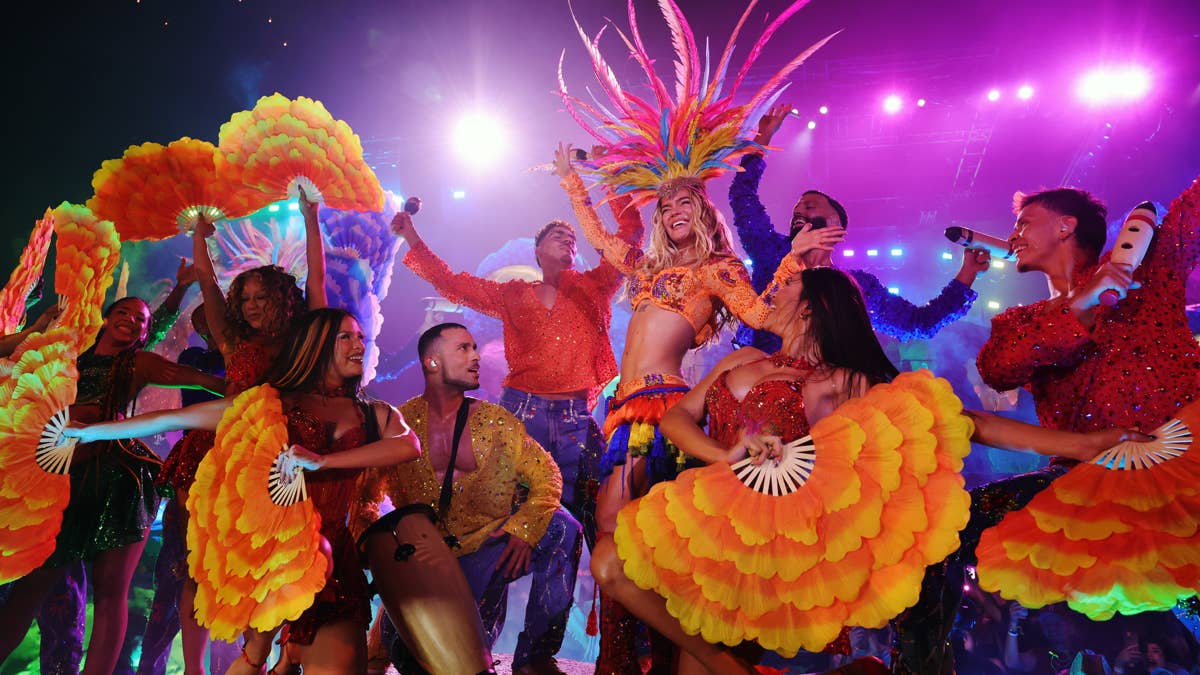
The 2026 Coachella Valley Music and Arts Festival marked a defining moment, not just for its star-studded lineup but for the sheer scale of its cultural and economic influence. What began as a small music event has evolved into one of the most profitable and globally recognized festivals in the U.S.
Founded in 1999 in Indio, Calif., Coachella started as a two-day electronic music festival, with tickets priced at just $50 per day. Its debut drew around 25,000 attendees but failed to turn a profit, reportedly losing approximately $850,000, which led to a one-year hiatus, according to the Grammy Awards.
The pause proved pivotal. Organizers returned with a refined strategy, gradually expanding the event into two consecutive weekends featuring a diverse mix of genres and some of the biggest names in the music industry. Over time, Coachella transformed from a niche gathering into a global entertainment brand.
Coachella reaches $200 million in revenue
In 2026, Coachella generated more than $200 million in total revenue across both weekends, ranking among the highest-grossing music festivals in the U.S.
Attendance reached approximately 750,000 people, with tickets selling out quickly through official channels shortly after their late-2025 release, according to the festival's official website. While resale platforms offered limited last-minute availability, demand remained exceptionally strong.
It is important to distinguish between gross revenue and profit. Large-scale festivals carry high operating costs, including artists' fees, production, staffing, and marketing, which substantially reduce net earnings.
Revenue streams: Where Coachella's money comes from
Coachella's business model is highly diversified, with income generated across multiple channels, such as:
- GA Tickets: $96.1 million
- VIP Tickets: $31.2 million
- Shuttle Passes: $7.5 million
- Hotel & Travel Packages: $2.9 million
- Sponsorships: $25 million
- Food & Beverage: $22 million
- Merchandise: $10 million
- Parking & Camping: $6 million
Figures are estimates based on available industry data compiled by WolframBusiness, a financial data analysis provider.
The cost of producing a music mega-festival
Producing an event of this scale requires significant investment across talent and infrastructure. Key costs for various artists and other needs include the following.
- Justin Bieber: $10 million
- Sabrina Carpenter: $8 million
- Karol G: $6 million
- Anyma: $3 million
- BIGBANG: $2 million
- The Strokes: $2 million
- Jack White: $1.5 million
- The xx: $1.5 million
- FKA twigs: $1 million
- Young Thug: $1 million
- Disclosure: $1 million
- Iggy Pop: $800,000
- Laufey: $750,000
- Interpool: $700,000
- Clipse: $700,000
- 150+ other artists: $29 million
- Stage and production: $25 million
- Security & medical staff: $15 million
- Logistics & operations: $10 million
- Marketing: $8 million
- Venue & permits: $5 million
Figures are estimates based on available industry data compiled by WolframBusiness.
How profitable was Coachella 2026?
After accounting for expenses, Coachella's estimated profit for 2026 stands at approximately $68.7 million. This represents a strong margin for large-scale live events, placing Coachella among the most profitable festivals globally, where high production costs often limit net returns.
While substantial, the figure also highlights the complexity and financial risk involved in hosting events of this magnitude.
Coachella's cultural impact and digital reach
Beyond ticket sales, Coachella's influence expands deeply into digital media and global culture. The festival's YouTube livestreams attracted millions of viewers worldwide, with some performances reaching over 11 million views. The official channel now has nearly 6.5 million subscribers.
Merchandise sales also reached new heights. Justin Bieber's fashion label Skylrk generated $5.04 million in merchandise sales during the first weekend alone, surpassing previous combined weekend records, according to Vogue Business.
More coverage on entertainment business:
- Why F1's sponsorship boom is nearing $3 billion
- Justin Bieber turns Coachella 2026 into a $5M merch empire
- Bad Bunny’s bargain outfit breaks Super Bowl fashion tradition
Social media remains a central driver of Coachella's visibility. Brands increasingly partner with influencers, celebrities, and creators to amplify reach, turning the festival into a major marketing platform.
"The California music festival has become a commercial juggernaut for content creators, who leverage brand partnerships for increased visibility and future paid opportunities amid fierce competition," wrote communications expert Megan McDonough on LinkedIn. "It has also become a marketing frenzy for companies that pour tens of millions of dollars to courting creators' giant followings."
In 2025, Coachella generated an estimated $908 million in Media Impact Value, according to the California State Portal, underscoring its growing importance beyond ticket sales alone.
The booming music festival industry
Coachella's success reflects broader growth in the live events sector.
The global music festival market is valued at $3.55 billion in 2026 and is projected to reach $6.74 billion by 2030, growing at a compound annual rate of 17.7%, according to the 2026 Music Festival Market Report by Research and Markets.
The expansion is driven by several factors:
- Increased demand for live entertainment experiences
- Rising consumer spending among younger audiences
- Greater brand investment in experiential marketing
- Advances in large-scale event infrastructure
Research and Markets analysts note that immersive entertainment experiences combining music, digital media, and social interaction are expected to continue fueling growth.
What this means for the future of Coachella and music festivals
The 2026 Coachella festival shows how a once-struggling event can evolve into a dominant force in both entertainment and business.
With diversified revenue streams, global digital reach, and strong brand partnerships, Coachella is no longer just a music festival; it has become a blueprint for modern experiential marketing and large-scale event economics.
Related: Justin Bieber turns Coachella 2026 into a $5M merch empire