Why Did Ripple Consider Closing the Company?
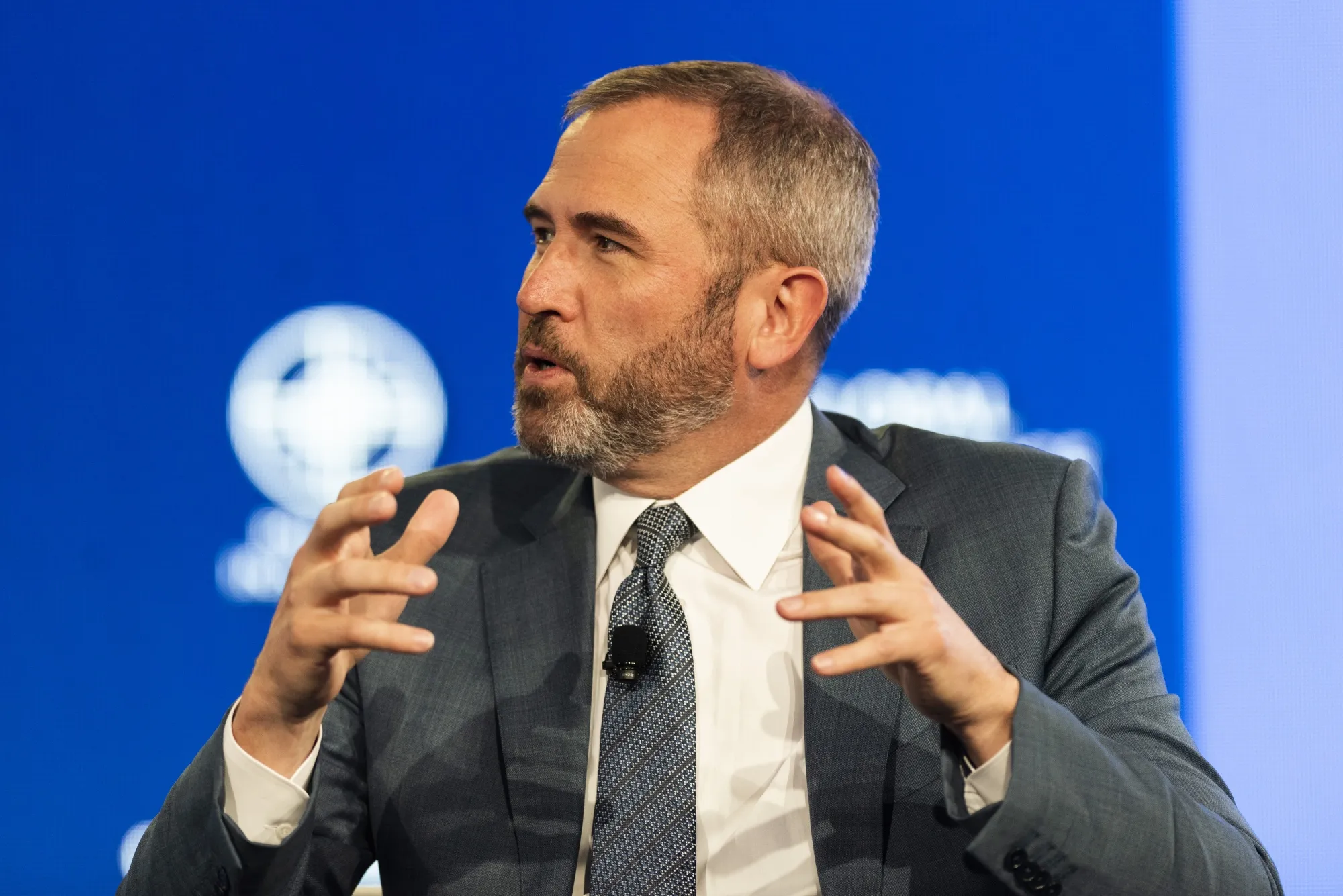
Ripple came close to shutting down rather than fighting the U.S. Securities and Exchange Commission after the agency sued the company in 2020, Chief Executive Brad Garlinghouse said this week. Speaking at the University of Kansas School of Business, Garlinghouse said he and co-founder Chris Larsen seriously considered winding Ripple down and distributing the company’s XRP holdings to shareholders. The option would have allowed Ripple to avoid a long legal fight against a federal agency he described as having “infinite power and resources.” The idea was straightforward. Ripple held a large amount of XRP. Garlinghouse said the company could have transferred those tokens to shareholders on a pro rata basis and dissolved. That would have effectively ended the company and removed the operating entity at the center of the SEC’s case. He described that route as the easier path at the time. But Ripple chose to keep operating because closing the company would have cost hundreds of jobs. “I'm glad in retrospect, but that was not obvious at the time,” Garlinghouse said.What Was At Stake In The SEC Case?
The SEC sued Ripple in 2020, alleging that the company had sold XRP as an unregistered security. The agency also named Garlinghouse and Larsen personally, making the case more than a corporate enforcement action. For Ripple, the lawsuit threatened its core business model, its executive leadership, and the legal status of XRP in U.S. markets. A finding that XRP sales violated securities law could have limited exchange access, weakened institutional use cases, and made it harder for the company to operate inside the U.S. financial system. Garlinghouse said he had met SEC officials 4 times between 2017 and 2019 without a lawyer present and was never told that XRP might be treated as a security. That history shaped his view that Ripple had not been given clear regulatory guidance before the agency escalated to litigation. The legal battle became one of the crypto industry’s most closely watched cases because it tested how securities law applied to token issuers, exchange trading, and secondary-market transactions. It also became a broader symbol of the industry’s argument that regulation was being shaped through enforcement rather than through clear rules.Investor Takeaway
Ripple’s near-shutdown shows how enforcement risk can become an existential issue for crypto companies. Legal classification, not only market demand or technology adoption, can determine whether a token-linked business survives.