Closed Rite Aid stores get surprising retail replacement
When Rite Aid, a major pharmacy retailer, filed for Chapter 11 bankruptcy a second time in 2025, it led to the shuttering of its 1,250 locations.
Over time, many were sold to competitors like CVS and Walgreens, and some spaces were taken up by retailers such as Kroger and Albertsons.
But some of these large vacant pharmacies quickly became an inconvenience to nearby residents, because they attracted squatters, illegal activity, or simply became eyesores due to a lack of maintenance.
And for landlords, it meant a large retail space wasted in a location that was already built around daily customer traffic.
Now, much to the relief of nearby residents and businesses, some of those empty drugstore spaces are finding a new use.
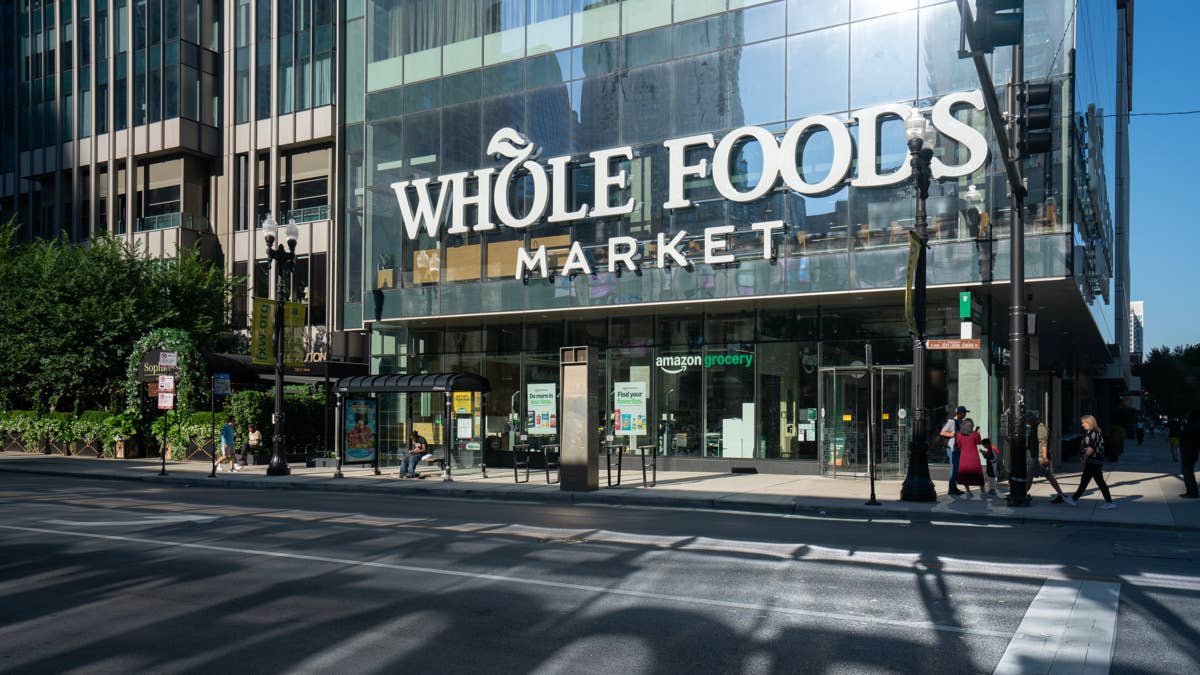
Most recently, Amazon’s Whole Foods Market has signed a lease for a former Rite Aid location at 182 Smith Street in Brooklyn, near the border of Cobble Hill and Boerum Hill, according to Crain’s New York Business.
The space is about 35,000 square feet and was recently vacated by Rite Aid following the pharmacy chain’s bankruptcy-related closures. There is no official timeline for construction or an opening date yet.
The move gives Amazon-owned Whole Foods another New York City expansion site and shows how retailers are beginning to take advantage of the real estate left behind by Rite Aid’s collapse.
Rite Aid closures create new grocery opportunity
Rite Aid’s bankruptcy not only affected pharmacy customers but also opened up physical retail space in neighborhoods where drugstores had long served as everyday convenience stops.
Retail Dive reported in May 2025 that Rite Aid sold more than 1,000 pharmacies to rival operators while it was in bankruptcy for a second time.
More Retail:
- Target announces major changes across 130 U.S. stores
- Retail giant launches first new home brand in 5 years
- Discount retail giant wins as shoppers change how they spend
Buyers included CVS, Walgreens, Albertsons, Kroger, and Giant Eagle. Rite Aid operated almost 1,300 stores in 15 states at the time.
But not every former Rite Aid location is simply becoming another pharmacy.
Supermarket News reported that grocers are increasingly taking over former Rite Aid spaces.
The examples include Whole Foods in Brooklyn, Aldi in Vineland, N.J., El Torito Supermarket in Salem, Ore., Bravo Supermarket in Harrisburg, Pa., and La Placita Market in East Haven, Conn.
This pattern points to a broader retail shift: one company’s collapse is creating new opportunities for grocery chains looking for ready-made locations in established shopping areas.
For consumers, the change could be meaningful. A shuttered pharmacy may not return as a place to fill prescriptions, but it could come back as a place to buy produce, prepared meals, pantry staples, and grab-and-go food.
Grocers move into former drugstore spaces
Former drugstore locations can be attractive because they are often built in high-traffic areas.
Many sit on corners, near transit, in walkable neighborhoods, or in suburban shopping centers with parking. They are designed for quick, repeat visits, which is also the way many consumers now shop for groceries.
This t is especially useful for smaller-format grocery stores. Instead of asking shoppers to make a large weekly trip, chains are trying to serve customers who want faster, more frequent shopping options closer to home.
Whole Foods has been building that strategy through its Daily Shop concept.
Whole Foods’ Daily Shop is a smaller-format store designed for dense urban neighborhoods.
These stores focus on fresh produce, meat and seafood, prepared foods, bakery items, grab-and-go meals, pantry staples, and 365 by Whole Foods Market products.
The company opened a Daily Shop in Brooklyn’s Williamsburg neighborhood on Feb. 26. The store is 7,888 square feet and carries more than 350 local products from 250 Northeast-based suppliers.
Whole Foods has also signed leases for Daily Shop stores in Boston, Chicago, and Philadelphia, with openings planned over the next two years.
The company said the format is meant to bring everyday essentials and a faster shopping experience to customers in smaller spaces.
Supermarket News reported that the former Rite Aid location in Cobble Hill could be used for a Whole Foods Daily Shop-style store, though Amazon has not officially confirmed the exact format.
Whole Foods expands with new stores
The Brooklyn lease comes as Whole Foods continues opening new stores across the U.S.
Amazon said Whole Foods has more than 550 stores across the U.S., Canada, and the U.K., and plans to open more than 100 new locations over the next few years.
These locations also bring business to local producers since many new Whole Foods stores highlight regional suppliers in their grocery, bakery, seafood, produce, and prepared-food departments.
A TheStreet review of Whole Foods Market’s 2026 store announcements shows that the Amazon-owned grocery has announced or opened at least 8 new U.S. locations so far this year.
They range from full-size supermarkets to smaller urban stores built for faster shopping trips.
Opening date | Location | Store size | Key detail |
Feb 5 | Cheshire, Conn. | 42,000 sq. ft | 1,000 New England local items |
Feb 18 | Rogers, Ark. | 39,500 sq. ft. | over 120 local items |
Feb. 26 | Williamsburg, Brooklyn | 7,888 sq. ft. | Daily Shop format with more than 350 local products |
March 5 | Holbrook, N.Y. | 43,000 sq. ft. | Eighth Whole Foods location on Long Island |
April 15 | Los Gatos, Calif. | 43,130 sq. ft. | Relocation of long-running Los Gatos store |
May 21 | Jacksonville, Fla. | 38,432 sq. ft. | Downtown store with more than 800 Florida local items |
June 25 | Seekonk, Mass. | 40,000 sq. ft. | More than 1,000 products from New England suppliers |
July 2 | Doral, Fla. | 43,000 sq. ft. | More than 550 products from Florida-based suppliers |
The pattern matters because Whole Foods is not only adding stores, it is testing different ways to reach shoppers.
Some locations are full-size stores with local suppliers, prepared foods, seafood counters, bakeries, and broad grocery assortments. Others are smaller Daily Shop stores aimed at convenience and quick trips.
Amazon leans on Whole Foods for grocery growth
Whole Foods’ expansion also fits into Amazon’s larger grocery reset.
Amazon said in May that it would prioritize online grocery delivery and the expansion of Whole Foods.
The company said it offers grocery delivery in more than 5,000 U.S. cities and towns and that Whole Foods will open more than 100 new stores over the next few years.
The company also said it plans to expand Same-Day Delivery of fresh groceries to more communities in 2026.
That makes Whole Foods a key part of Amazon’s physical grocery strategy, especially as the company tries to serve shoppers both online and in stores.
For neighborhoods like Cobble Hill, a former Rite Aid space that once served pharmacy customers is now expected to become part of Whole Foods’ growing grocery footprint. And it may not be the last one.
As Rite Aid’s old stores are absorbed by new tenants, food retailers are finding a way to turn pharmacy closures into grocery expansion.
Related: Outdoor retail giant closes 59 stores in Chapter 11 bankruptcy