Dividend-paying restaurant stock stumbles as gas prices surge
Restaurant stocks have been a rough ride lately. Since tensions in the Middle East flared, the sector has quietly been losing ground, and Wall Street is starting to pay close attention.
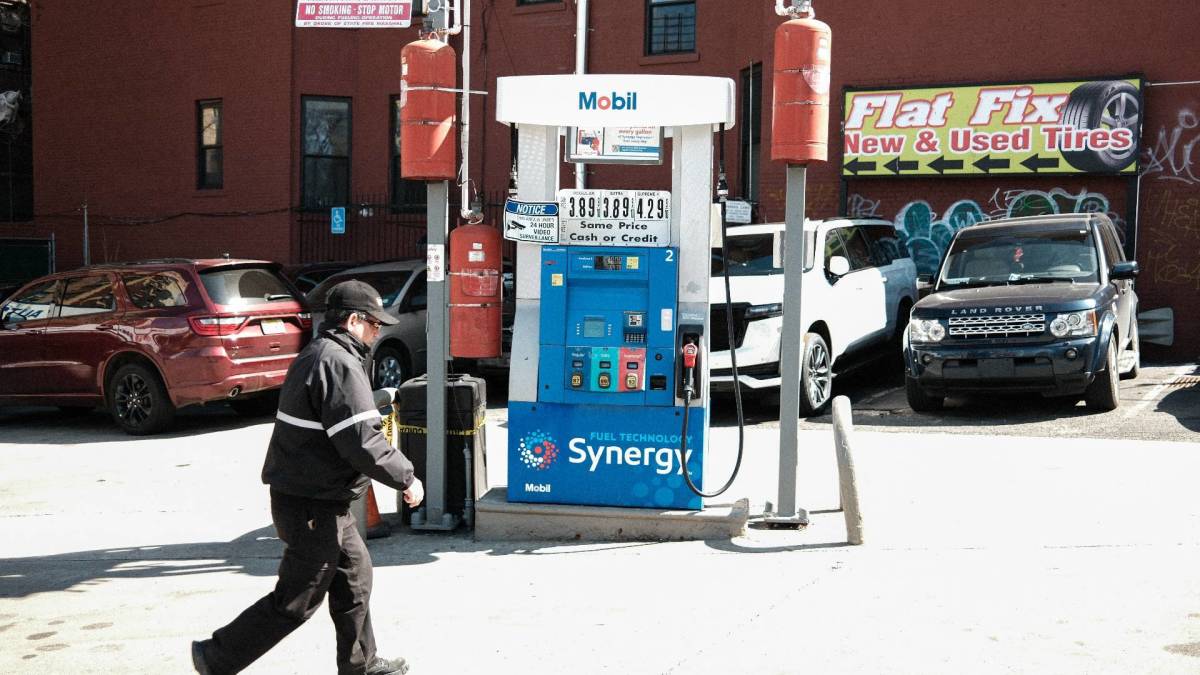
The reason is simple. When gas prices rise, people have less money left over for eating out. It's one of the most direct and predictable patterns in consumer behavior.
That's the warning Deutsche Bank analyst Lauren Silberman issued recently, according to CNBC.
The analyst also pointed out that when gas prices spiked in response to the Russia-Ukraine war, several restaurant chains saw a "near-immediate" drop in customer traffic. She thinks it could happen again.
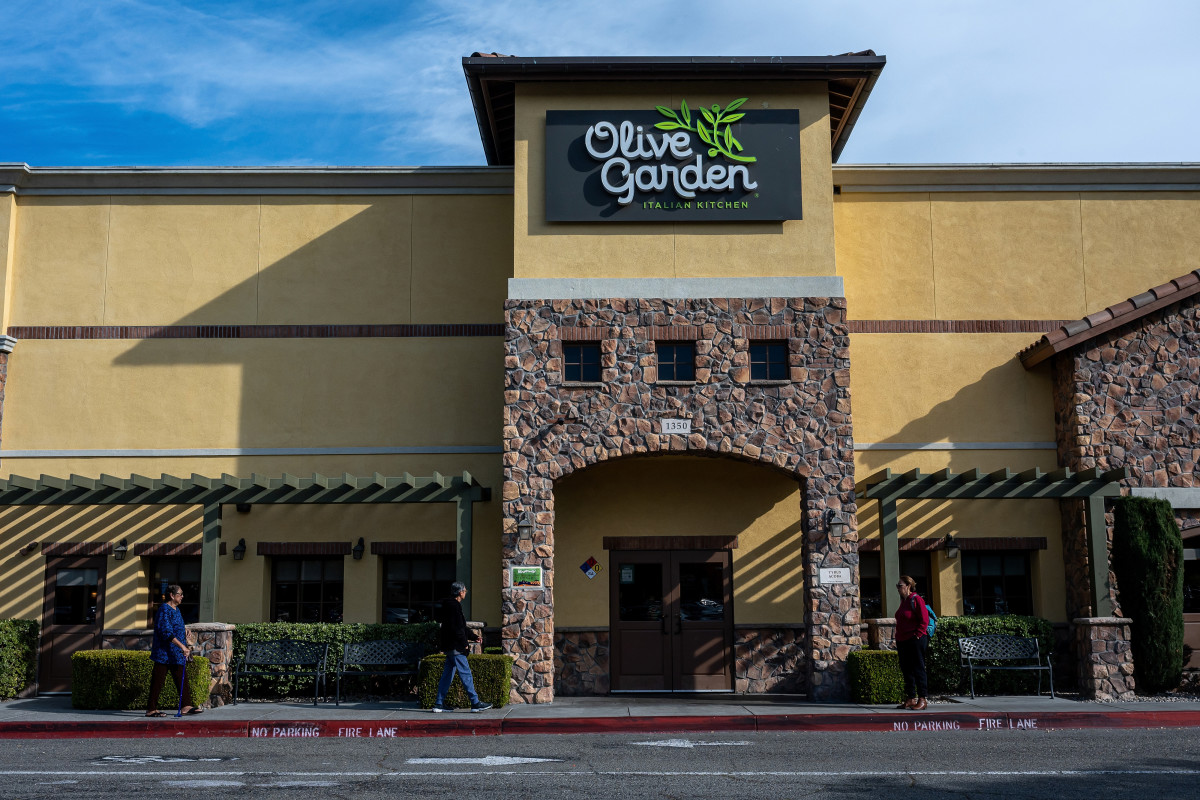
Darden Restaurants is one of the most notable casualties. The Orlando, Fla.-based company behind Olive Garden, LongHorn Steakhouse, and more than a dozen other dining brands across the U.S. and Canada has seen its share price decline by 7.5% over the past month.
However, the ongoing drawdown has raised the forward yield for Darden (DRI) to 3%, making the dividend stock attractive to income seekers.
Darden Restaurants stock is a top buy for income investors
Darden is one of the few casual-dining names to which income investors pay attention. The stock pays shareholders a quarterly dividend of $1.50 per share, up from $0.40 per share in 2006.
In the past two decades, DRI stock has returned 452% to shareholders. However, if adjusted for dividend reinvestments, the cumulative returns exceed 900%, according to Y-charts.com.
- Analysts tracking the dividend stock forecast that the restaurant giant will end fiscal 2026 with free cash flow of less than $1 billion.
- Comparatively, the annual dividend expense for Darden is around $700 million, indicating a high payout ratio of 70%.
- However, given consensus estimates, FCF is forecast to improve to $1.6 billion in fiscal 2029 (ending in May).
- Over the next three years, the annual dividend will be around $7.16 per share.
Key dividend metrics for Darden stock:
- Dividend yield: Approx. 3%
- Quarterly dividend per share: $1.50
- Annual dividend per share: $6
- Dividend payout ratio: Roughly 70% of FCF
- Dividend frequency: Quarterly
Darden has steadily increased its dividend each year following its post-pandemic recovery.
For income investors, a payout ratio around 70% means the company earns more than it pays out, leaving room to sustain the dividend even if profits dip slightly.
Macro headwinds could impact Darden
Despite the stock's recent slide, Darden delivered a solid second quarter for fiscal year 2026.
Total sales came in at $3.1 billion, up 7% from the same period last year.
Same-restaurant sales grew 4.3% across the portfolio. That beat the broader casual dining industry benchmark by 300 basis points year over year (YoY).
Olive Garden was a standout. It posted same-restaurant sales growth of 4.7%, helped by its popular Never Ending Pasta Bowl promotion and the launch of first-party delivery through Uber Direct.
Delivery made up 4% of total Olive Garden sales during the quarter, and roughly half of that was brand-new, incremental revenue.
LongHorn Steakhouse wasn't far behind, posting same-restaurant sales growth of 5.9%.
The bad news? Beef prices. They've been running near historically high levels, pushing commodity inflation to around 5.5% for the quarter.
Related: Olive Garden makes big menu move as restaurant prices surge
That squeezed margins across almost every segment. Darden chose to price its menu 1.3% below inflation, meaning it absorbed some of the cost rather than passing it all on to guests.
That's a deliberate strategy to protect long-term loyalty, but it did weigh on near-term earnings.
Adjusted diluted earnings per share came in at $2.08, up just 2.5% from a year ago.
What's ahead for Darden stock
Management updated its guidance for the full fiscal year. It now expects total sales growth of 8.5% to 9.3%, with same-restaurant sales growth of 3.5% to 4.3%. Full-year adjusted earnings per share guidance remains between $10.50 and $10.70.
CFO Raj Vennam said the gap between pricing and inflation should narrow in the second half of the year, helping margins improve.
More Dividend Stocks:
- 156-year-old energy giant to pay $17 billion in dividends as oil spikes to $110
- 114-year-old defense stock offers a $3 billion dividend payout in 2026
- This megacap AI stock pays over $12 billion in annual dividends
Beef costs are expected to ease as the year progresses, providing some relief.
Still, with gas prices a wild card and consumers already showing signs of caution, particularly households earning less than $50,000, the near-term outlook for restaurant stocks like Darden carries real risk.
Out of the 19 analysts covering Darden stock, 13 recommend "buy" and six recommend "hold." The average DRI stock price target is $226, 11.6% above the current price. If we include dividends, cumulative returns could be closer to 14.5%.
The silver lining for income investors: Darden's 30-year track record as a public company includes an annualized total shareholder return of 10% or more in every 10 years. That kind of consistency doesn't disappear overnight.
But if gas prices stay elevated heading into summer, Silberman's warning could prove timely.
Investors holding DRI stock for the dividend may want to watch traffic trends closely in the next quarter.
Related: Down 63 percent, Warren Buffett dividend stock signals opportunity