El Salvador Launches Bitcoin Diploma 2.0 to Reform National Public Education
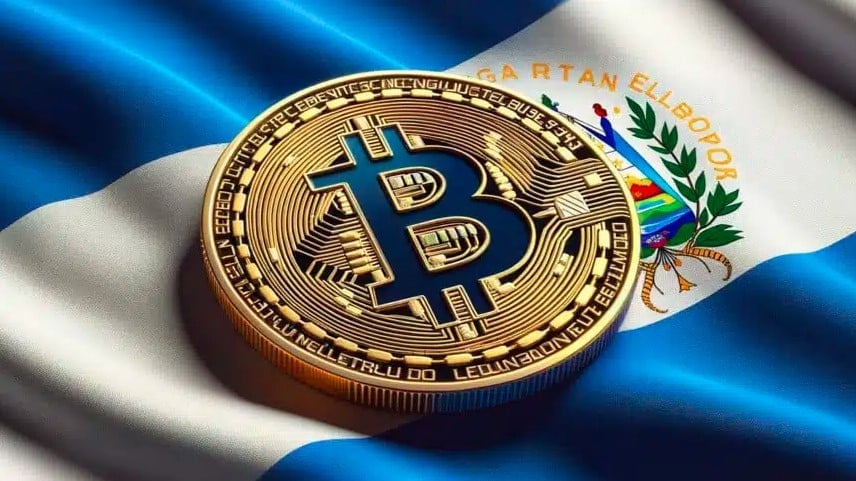
In a landmark effort to solidify its status as the world’s leading "Bitcoin Nation," El Salvador officially launched "Bitcoin Diploma 2.0" on February 24, 2026, marking a complete overhaul of its national financial literacy curriculum. Spearheaded by the National Bitcoin Office (ONBTC) and Director Stacy Herbert, the new program introduces high-quality, printed textbooks to every public school in the country, moving beyond the pilot phases of previous years. The 2026 curriculum is designed to teach students not just about the technical mechanics of the Lightning Network, but about the fundamental nature of money, the history of central banking, and the principles of free-market economics. By integrating Bitcoin education directly into the national Social Studies and Mathematics frameworks, El Salvador is raising the first "Bitcoin Generation"—thousands of young citizens who will enter the workforce with a native understanding of digital finance that far exceeds the literacy of most global adults. This move coincides with the deployment of "Grok" AI tutors in 5,000 schools, part of a broader "Bitcoin and AI" strategy to elevate the productivity of the Salvadoran youth.
Standardizing Financial Literacy Through Visual and Interactive Learning
The "Bitcoin Diploma 2.0" represents a significant pedagogical upgrade from the original "What Is Money?" pilot projects launched in 2024. The new textbooks feature advanced visual tools, including 3D diagrams and real-world examples that explain complex concepts like hash rates, difficulty adjustments, and the "UTXO" model in a way that is accessible to students as young as seven. Herbert emphasized that the goal is to "solidify the youth’s understanding of the nature of money," ensuring that future generations are immune to the predatory lending and currency devaluations that have historically plagued Central America. The program also includes a heavy focus on "agentic" financial tools, teaching students how to interact with autonomous AI agents and decentralized payment rails. By providing three hours of mandatory Bitcoin education per week, the Ministry of Education is betting that a more financially literate population will attract global tech talent and reduce the country’s long-standing dependence on foreign remittances and legacy banking systems.
Building Economic Sovereignty Amidst Global Macroeconomic Tensions
The rollout of the new curriculum comes at a critical time for El Salvador, as the country continues to navigate the complex conditions of its 1.4-billion-dollar financing agreement with the International Monetary Fund (IMF). Despite pressure to unwind its Bitcoin initiatives, the Bukele administration has "doubled down" on its digital reserve strategy, with government holdings now exceeding 7,500 BTC. The National Bitcoin Office has positioned the 2026 education program as a core pillar of "monetary sovereignty," arguing that a population trained in decentralized finance is the best defense against external economic shocks. While critics point to the "crypto winter" of early 2026 as a sign of risk, the Salvadoran government views the current market volatility as a "tactical accumulation" phase. By combining a long-term digital reserve with a rigorous, state-mandated education system, El Salvador is attempting to prove that a nation can successfully opt out of the traditional fiat system. As the first batch of "Diploma 2.0" graduates enters the economy later this year, the world is watching to see if this educational experiment will lead to a new era of prosperity and "digital freedom" for the Salvadoran people.