House committee investigates Merck, AbbVie over China trials
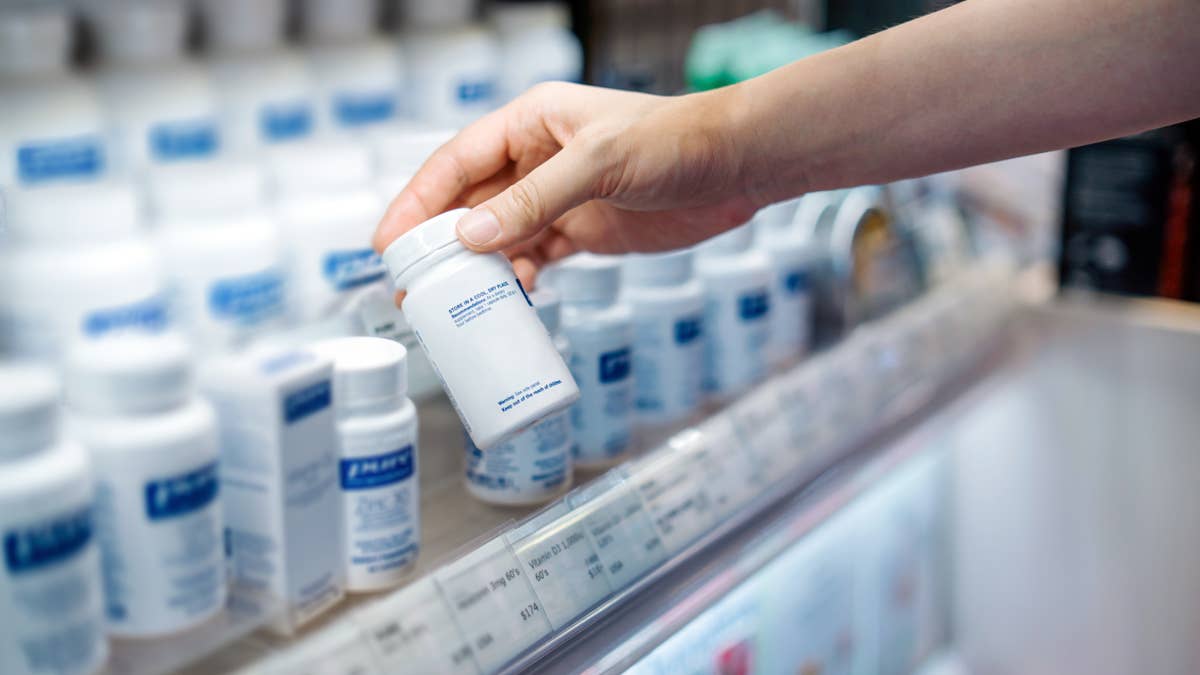
Five of the biggest names in American pharma just got a deadline from Washington.
The House Select Committee on China sent letters this week to Merck (MRK), AbbVie (ABBV), Eli Lilly (LLY), Pfizer (PFE), and Bristol Myers Squibb (BMY), Reuters reported.
Lawmakers want each company to explain how it protects data and vets ethics standards at its clinical trial sites in China by July 17. That includes facilities tied to Xinjiang and the Chinese military.
Nobody is accused of breaking any law, and the letters say so directly. But they raise a bigger question that outlasts any single hearing.
As Chinese hospitals conduct drug trials faster and more cheaply than their U.S. counterparts, does that efficiency come at the cost of exposing American biotech IP to a strategic competitor?
As soon as news of the letters spread on Tuesday, June 30, the shares of both Eli Lilly and AbbVie slipped, Reuters confirmed.
Investors now have less than three weeks to watch how the five pharmaceutical giants answer to the letters.
5 drugmakers have 3 weeks to explain China research collaboration
Representative John Moolenaar, the Michigan Republican who chairs the committee, sent the first letters to Merck and AbbVie on June 29, according to Reuters.
Letters to Eli Lilly, Pfizer, and Bristol Myers Squibb followed within days. The numbers in those letters are specific.
Merck has sponsored or collaborated on 224 clinical studies in China since 2005, the committee indicated, including 31in Xinjiang and 40at facilities withChinese military ties.
AbbVie's tally tops 100 studies since 2007, including 17 in Xinjiang and 16 at military-linked centers.
More Pharma Stocks:
- AbbVie's biggest deal since 2019 could land soon
- Eli Lilly scores a first in major pharma milestone
- JPMorgan resets UnitedHealth stock target for 2026
The letters expressed that research at Chinese military hospitals "exposes American companies to ethical and security risks."
Merck responded that patient safety and ethical integrity remain central to its research program.
AbbVie, whose immunology business is core to its long-term strategy, declined to comment.
Wall Street's reaction was muted, but real
Wall Street's reaction to the news was quick. Eli Lilly closed at $1,199.43 on Tuesday, June 30, down 2.48%, and AbbVie dropped 1.05% to $251.64.
However, Merck held up better, going down just 0.68% to $128.50, according to CNN Business, although the stock is down 2.44% in today's trading session,
Related: Trump bought these health care stocks in 2026; should you?
Wall Street's minor reaction matches the letters, which stop short of alleging wrongdoing.
Still, any hint of scrutiny from Congress tends to rattle health care investors who are already nervous about drug pricing policy and looming patent difficulties.
Why so many trials ended up in China in the first place
By 2024, the U.S. share of global early drug development had fallen to about 37% from 48% in 2015, while China's share climbed past 32% from just 8%, according to data cited in the committee's letters.
What turned China into one of the fastest-growing markets in the world for early-stage human trials were regulatory reforms, state subsidies, and lower costs.
However, that speed has its disadvantages. The letters documented lapses in informed consent at some Chinese trial sites.
They also point to the Uyghur Forced Labor Prevention Act as the kind of ethical benchmark the industry has largely sidestepped while operating in Xinjiang.
The National Security Commission on Emerging Biotechnology also warned in December that China has built a biotechnology ecosystem designed to challenge U.S. leadership outright.
A bigger fight over biotech investment is just getting started
Moolenaar and Michigan Democrat Debbie Dingell already introduced the Biotech Investment National Security Act.
The Act subjects U.S. pharmaceutical licensing deals with Chinese firms to Treasury Department review, according to the China Select Committee.
The bill singles out Pfizer and Bristol Myers Squibb's recent China deals as exactly what it wants to restrict, Fierce Biotech reported.
Key dates to watch
- July 17: Deadline for all five companies to respond in full
- Ongoing: The Biotech Investment National Security Act awaits a committee vote, with no date scheduled yet
None of this halts trials already underway. It only signals that Washington wants a bigger say in where drugmakers test their next big product.
Investors should expect more headlines before the July 17 deadline.
Related: Morgan Stanley has a bold message for Johnson & Johnson