Sneaker chain files for Chapter 11 bankruptcy
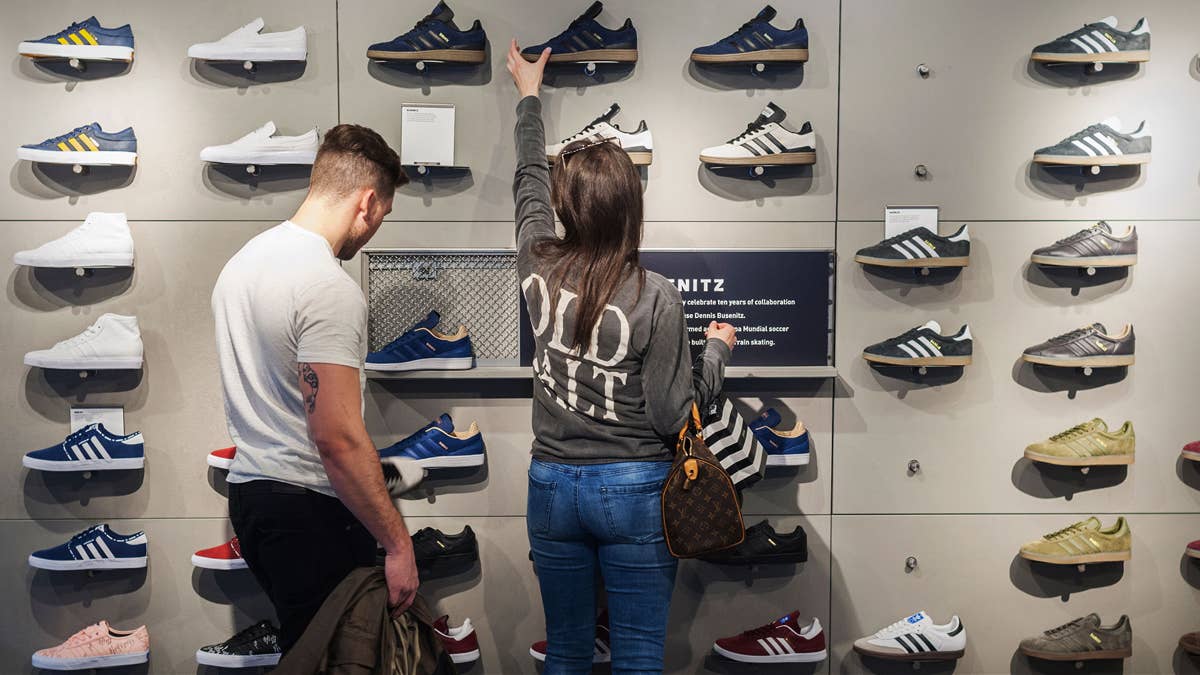
Sneakers have become a collector's item and a fashion statement.
Limited-edition releases and a robust resale market have helped turn sneaker collecting into a multibillion-dollar secondary market, creating demand for specialty retailers that cater to collectors as well as traditional shoppers.
It's no longer just people who need sneakers, or even athletes looking for a certain level of performance, but "sneakerheads," people who buy footwear for entirely different reasons.
"Some are solely collecting them, and not wearing them," Delisia Matthews, assistant professor of textiles, apparel and technology at North Carolina State University’s Wilson College of Textiles, told North Carolina State University's The Abstract. "...But most of the people I talked to are wearing them."
Sneakerheads have created a business of collecting, buying, and selling, according to former NPD Group footwear industry analyst Matt Powell.
"Very quickly, the sneakerhead world went from collecting for fun to profiteering. As resale prices escalated on limited edition shoes, a new type of 'sneakerhead' came into being: the speculator," he wrote.
That led to stores that catered to the sneakerhead community, like A Sneaker City. That chain, which has seen most of its locations close in recent years, filed for Chapter 11 bankruptcy protection on July 10, according to court filings on PacerMonitor.
A Sneaker City files Chapter 11 bankruptcy
A Sneaker City's website remains operational, as does its Albany store, despite the Chapter 11 filing.
This isn't the entire chain going out of business. Instead, it's A Sneaker City Albany, which also owned a number of other Sneaker City Locations, according to the Chapter 11 filing.
"Schedule H lists seven affiliated 'A Sneaker City' store entities — Charlotte, Chicago, Dadeland, Dallas, Newport, all marked Defunct, plus Houston and Tampa marked 'Related Entity' — all sharing the Albany address, each tied to a mall-landlord creditor," the filing shows.
The filing suggests the business operated multiple affiliated stores that closed over time, while the Albany entity remained responsible for many lease guarantees.
The debts listed in the filing also suggest that this operator controlled stores in New York, Florida, Georgia, and other locations, but it remains unclear if the chain has any operators not tied to this filing.
The bulk of the debt is lease-guarantee exposure on now-defunct sister stores, not this store's own trade debt. The largest claims include:
- Roosevelt Field LLC :$970,657 (disputed)
- Mall at Concord Mills: $606,200,
- Woodfield Mall: $256,299
- Mall of Georgia: $168,251
- Newport Centre: $111,756
- Grapevine Mills: $92,701
- Florida Mall: $66,518
The company reported assets of $0 to $50,000 and liabilities between $1 and $10 million.
A Sneaker City Albany did not immediately return a request for comment from TheStreet made through its website.
Shutterstock
A Sneaker City Albany Inc. Chapter 11 quick facts:
- Filed: July 10, 2026.
- Case No:. 26-10773, NDNY.
- Sole shareholder: Brandon Gutierrez; counsel Michael Boyle, Boyle Legal LLC.
- Operating entity behind the asneakercity.com chain
- Assets: $47,636 (mostly ~$42.5K liquidation-value inventory). [206A/B]
- Liabilities: $2.38 million
- Debt is almost all lease-guarantee exposure on defunct sister stores.
- Four landlord suits pending at filing, including a Woodfield Mall eviction naming Albany itself.
- Revenue is declining: $392,000 (2024), $479,000 (2025), $162,000 in 2026 at the point of filing.
The company described its business on its website.
"Established in 2018, A Sneaker City is the leading destination for exclusive sneakers and streetwear in the nation."
At publication time, the website's "Store Locator" page was not functioning.
Sneaker culture is evolving
Content Creator Andy Dutton, who posts at @__adsneaks, shared his thoughts on the current state of the industry with GQ, as part of the 2026 GQ Sneaker Survey.
"I think sneaker culture is still thriving — it’s just evolving. The market is more competitive than it’s ever been, and that’s a good thing. There’s a healthy blend of retro and innovation, which appeals to a wider range of people. There’s less obsession with hype for hype’s sake and more focus on comfort, wearability, and personal taste," he said.
While the bankruptcy filing doesn't specify why the business failed, industry observers say sneaker retail has become increasingly competitive.
The Hundreds Content Director, David Rivera, pointed out that competition in the retail space has been intense.
"The idea that sneaker culture is 'dead' feels tied to a very specific moment we just lived through: resale stores popping up everywhere like pimples on a 14-year-old kid’s face. That era’s fading. Sneaker culture itself will never die. It’s too deep, too personal, and too rooted in self-expression," he told GQ.
A Sneaker City remains in operation, and its website is still taking orders.
Related: 59-year-old sandwich chain closed all its restaurants, no bankruptcy